Florin Granwehr (1942–2019) – první monografie švýcarského sochaře
Růst ceny o 2 %
Nejnižší cena za posledních 30 dní: 293 Kč (naposledy 9. 9. 2026).
299 Kč
Machart
- Rychlé doručení
- Dostupnost skladem
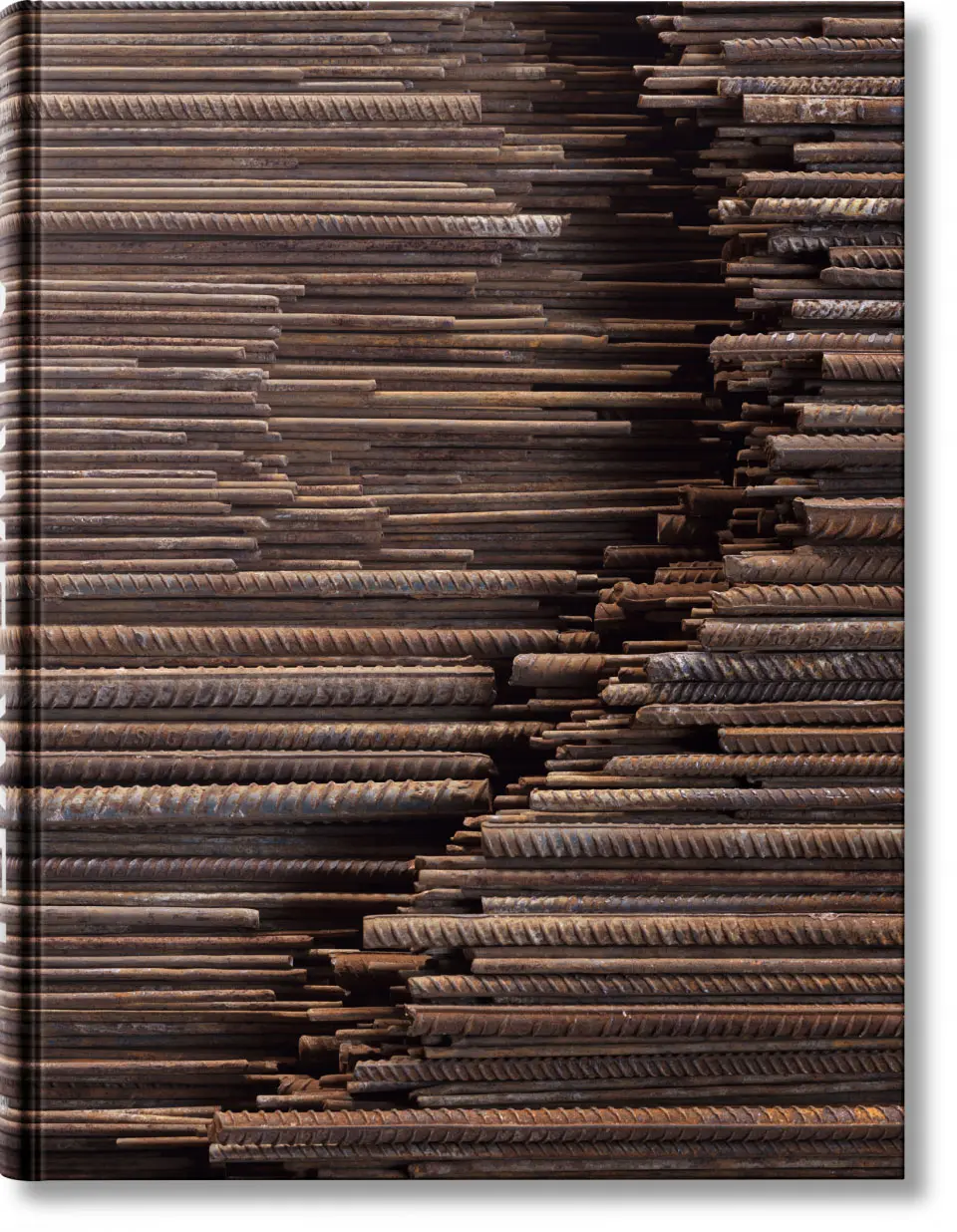
První monografie švýcarského sochaře z okruhu curyšského konkretismu. Anglicky, s fotografiemi Toniho Duska. Celý popis
Do obchoduO produktu
Florin Granwehr patřil od sedmdesátých let k výrazným postavám curyšské a švýcarské výtvarné scény. Většina diváků zná jeho práci z veřejného prostoru: monumentální objekty ve švýcarských městech, postavené na přesné technické realizaci elegantních geometrických „básní“.
Co je pod špičkou ledovce
Veřejné realizace jsou ale jen viditelnou částí díla. Granwehrova racionálně a geometricky založená plastická i kresebná tvorba vyrůstá z dědictví curyšského konkretismu, systematickým přístupem a sebedisciplínou ji však dovedl do zcela osobité polohy. Vyvrcholením je definice vlastního tvůrčího Teorému v matematické podobě — rozsáhlého celku o desetitisících kreseb.
O knize
Jde o vůbec první monografii tohoto umělce. Texty a koncepci připravil Viktor Čech, fotografickou dokumentaci děl i života pořídil Toni Dusek. Publikace vychází v angličtině. Vazbu na české prostředí udržoval Granwehr především prostřednictvím své manželky, teoretičky umění Ludmily Vachtové.
Tip: Podívejte se také na další produkty z kategorie Knihy.
Časté otázky
Kde se dá Granwehrovo dílo potkat?
Především ve venkovních prostorách švýcarských měst, kde stojí řada jeho monumentálních objektů. Ty jsou ale jen viditelnou částí mnohem rozsáhlejší tvorby.
Co je Granwehrův Teorém?
Definice vlastního tvůrčího principu v matematické formě, kterou rozvinul do rozsáhlého souboru desetitisíců kreseb.
Jak souvisí umělec s českým prostředím?
Přes svou manželku, významnou teoretičku umění Ludmilu Vachtovou, díky níž udržoval styky s českou scénou.
Vývoj ceny
Podobné produkty
Popis výrobce
Kniha je první monografií pozoruhodného švýcarského umělce Florina Granwehra (1942-2019), který i přes své především curyšské působení udržoval zajímavé styky i s českým prostředím, především díky své manželce - významné teoretičce umění Ludmile Vachtové. Jeho racionálně a geometricky založená plastická i kresebná tvorba vyšla z dědictví curyšského konkretismu. Její nejviditelnější částí je řada působivých monumentálních realizací umístěných ve veřejných prostorách švýcarských měst. Svým systematickým přístupem a sebedisciplínou ji ale postupně dovedl do velmi osobité polohy, jež vyvrcholila v definici jeho vlastního tvůrčího Teorému v matematické formě, rozsáhlého díla skládajícího se z desetitisíců kreseb.
Autorem fotografické dokumentace děl a života umělce je Toni Dusek. Texty a koncepci knihy připravil Viktor Čech. Monografie vychází v anglickém jazyce.
Florin Granwehr (1942–2019) was an important figure in the Switzerland and especially Zurich art scene from the 1970s to the early 21st century. Most viewers will mainly encounter his work in the outdoor spaces of Swiss cities, where he created a number of objects. These works of his are based upon the precise technical realization of elegant geometric “poems.” But they are only the tip of the iceberg that is the artist’s extensive work, comprising sets of objects and a number of drawings. His work was based on the heritage of Zurich Concretism. However, his unique creative thinking took him far beyond the boundaries of Modernism. In his work, we can observe a very consistent direction towards a complex and unique grasp of his own work, which culminated in his late project of defining his own creative theorem.
Space has no argument
Meanwhile, his creative path also intersected with those of a number of prominent artistic personalities of the time. His work was based on the heritage of Zurich Concretism, and he was connected with its key personalities through personal contacts. However, his unique creative thinking took him far beyond the boundaries of the modernist heritage. In his work, we can observe both tendencies placing him close to the minimalism and conceptual art of the era, as well as, above all, a very consistent direction towards a complex and unique grasp of his own work, which culminated in his late project of defining his own creative theorem.
He was the husband of the prominent Czech and later Swiss art historian and theorist Ludmila Vachtová, thanks to whom he found his inspiration and personal and work contacts in the Czech environment as well, in an interesting way, there was a cultural overlap here across the Iron Curtain, which had otherwise become increasingly impenetrable since the 1970s.
Even today, most viewers will mainly encounter his work in the outdoor spaces of Swiss cities and institutions, where over the years he created a number of grandiose outdoor objects. These works of his are based upon the precise technical realization of elegant geometric “poems.” But they are only the tip of the iceberg that is the artist’s extensive work, comprising sets of very intimate objects, working models of them, and a number of drawings.
Florin Granwehr’s sculptural work went through a series of phases and parallel lines of development, which brought him to his characteristic rigorous geometric style as early as the 1980s. It was full of a fascination with the combinatorics of forms and the representation of transmutations of logical relationships through dialogues in space among intersecting lines. The artist embarked upon a years-long pilgrimage through the mathematical landscape of pure thought. Each of the thematic series of his works was in fact an analysis of one such spatial problem. While this focus on his strictly structured thought processes may in some ways recall the minimalism of his contemporaries, just as his emphasis on the plasticity of forms is akin to other Concretist tendencies of the period, ultimately Granwehr remains a distinctly solitary artist whose creative vocabulary has built up an almost spiritual aesthetic, leading viewers to alternative forms of precise sensibility.
But we should not forget about the other, period-specific manifestations of Granwehr’s work, from the early, dynamic abstract forms of the 1960s influenced by the pre-war avant-garde, to his long-standing dialogue with the paradigms of postmodernism, often dealing with architectural forms and archetypes. Indeed, Granwehr could not avoid these themes even in the realization of many of his often imposing works in public space: they themselves often bear the character of autonomous architecture.
Granwehr’s extensive body of drawings is then an integral part of his plastic line of thought. No matter whether we speak of the spatially ambivalent and sometimes even playful individual drawings of the 1970s and 1980s, or the much more disciplined geometric exercises of the years that followed—which eventually led him to the monumental body of drawings included in the Theorem project.
Specifikace
- Druh
- Kniha
- Jazyk
- Anglicky
- Vazba
- brožovaná bez přebalu
- Počet stran
- 56
- Rok vydání
- 2024
- V prodeji od
- 2024-12
- Pořadí vydání
- 1
- EAN
- 9788076561090
Recenze
Recenze u nás zatím nikdo nenapsal — budete první? Zkusit můžete recenze u partnerských obchodů — dostanete se k nim přes sekci Srovnání cen.