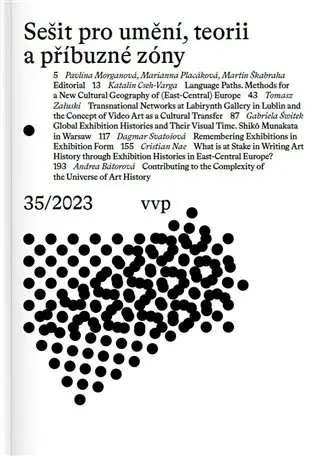
Sešit pro umění, teorii a příbuzné zóny 35/2023
Stabilní cena
Cenu sledujeme od 24. 9. 2026 a zatím se drží na 90 Kč.
O produktu
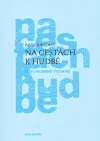
35. číslo Sešitu pro umění, teorii a příbuzné zóny se vrací k problematice dějin výstav a vzhledem k mezinárodnímu obsazení je celé anglicky. Všechny prezentované studie vychází z příspěvků na sérii konferencí Resonances, při jejichž organizaci spojilo Vědecko-výzkumné pracoviště AVU síly s maďarským Středoevropským výzkumným institutem pro dějiny umění (KEMKI), Katedrou dějin umění Univerzity Jana Amose Komenskéhov Bratislavě a Centrem Piotra Piotrowského pro výzkum umění střední a východní Evropy na poznaňské Univerzitě Adama Mickiewicze. V první studii „Language Paths: Methods for a New Cultural Geography of (East-Central) Europe“ zkoumá Katalin Cseh-Varga klíčovou roli jazyka v kulturní geografii a transferech zemí našeho regionu v době státního socialismu. Koncept kulturního přenosu je tematizován také v článku Tomasze Załuskiho „Transnational Networks at Labirynth Gallery in Lublin and the Concept of Video Art as a Cultural Transfer“, který ukazuje, jak komplexita uměleckých sítí uniká limitům metodologického nacionalismu, dichotomii „oficiálního“ a „neoficiálního“ umění i představě jednosměrného transferu ze Západu na Východ. Gabriela Świtek analyzuje v článku „Global Exhibition Histories and Their Visual Time. Shikō Munakata in Warsaw“ rozdíly mezi západním a východním kulturním prostředím na příkladu odlišné recepce a lokálně svébytného „vizuálního času“ výstavy japonského umělce Munakaty v roce 1961. Do šedesátých let nás zavádí také Dagmar Svatošová, která se ve studii „Remembering Exhibition in Exhibition Form. Czech Exhibitions as Active Co-Creators of the Art History Narrative at the End of the 1960s“ věnuje odkazu výstav Někde něco a Nová sensitivita a argumentuje, v čem by mohla být přínosná jejich fyzická rekonstrukce. Poslední z recenzovaných studií, „What is at Stake in Writing Art History through Exhibition Histories in East-Central Europe?“, má více teoretický charakter a Cristian Nae v ní navrhuje model umělecko-historického bádání inspirovaný v kurátorském výzkumu a opírající se o pojmy transpozicionality, konstelací a heterochronie. Číslo uzavírá recenze Andrey Bátorové na antologii Universal – International – Global. Art Historiographies of Socialist Eastern Europe, jejímiž editorkami jsou Antje Kempe, Beáta Hock a Marina Dmitrijeva a která se vztahuje k obdobné tematice jako zmiňované odborné studie.Notebook for Art, Theory and Related Zones 35/2023
The 35th issue of Notebook for Art, Theory and Related Zones returns to the topic of exhibition history. Given its international line-up, the issue is entirely in English. The texts are all based on papers presented at the series of conferences entitled Resonances, which was the outcome of a collaboration involving the AVU Research Institute, the Central European Research Institute for Art History in Hungary (KEMKI), the Art History Department at Jan Amos Comenius University in Bratislava, and the Piotr Piotrowski Centre for Research on East-Central European Art at the Adam Mickiewicz University in Poznań. In the first paper, entitled “Language Paths: Methods for a New Cultural Geography of (East-Central) Europe”, Katalin Cseh-Varga explores the key role of language within the cultural geography and transfers of the countries of our region during the era of state socialism. The concept of cultural transfer also features in the article by Tomasz Załuski entitled “Transnational Networks at Galeria Labirynt in Lublin and the Concept of Video Art as a Cultural Transfer”. Załuski shows how the complexity of artistic networks transcends the limits of methodological nationalism, the dichotomy of “official” and “unofficial” art, and the notion of a one-way transfer from West to East. In her article entitled “Global Exhibition Histories and Their Visual Time: Shikō Munakata in Warsaw”, Gabriela Świtek analyses the differences between the Western and Eastern cultural environments, using the example of the different reception and locally specific “visual time” of the exhibition of work by the Japanese artist Munakata in 1961. Dagmar Svatošová also takes us back to the 1960s in her study “Remembering Exhibitions in Exhibition Form: Czech Exhibitions as Active Co-Creators of the Art History Narrative at the End of the 1960s”, in which she explores the legacy of the exhibitions Somewhere Something and New Sensitivity and argues that a physical reconstruction of said exhibitions could be of great benefit. The last of the peer-reviewed essays – “What is at Stake in Writing Art History through Exhibition Histories in East-Central Europe?” – is more theoretical in character. In it, Cristian Nae proposes a model of art history inspired by curatorial research and based on the notions of transpositionality, constellation and heterochrony. This issue of Sešit concludes with Andrea Bátorová’s review of the anthology Universal – International – Global: Art Historiographies of Socialist Eastern Europe, edited by Antje Kempe, Beáta Hock and Marina Dmitrijeva, which covers similar themes to those outlined above.
Tip: Podívejte se také na další produkty z kategorie Umění.
Vývoj ceny
Podobné produkty
Recenze
Recenze u nás zatím nikdo nenapsal — budete první?